
Blog News, Buy Peptides Online, Ipamorelin Vs Hexarelin Peptides, Research Peptides
Ipamorelin vs Hexarelin: Key Differences in Laboratory Research
Aug
Ipamorelin vs Hexarelin: Understanding the Differences in Laboratory Research
Growth hormone secretagogues have become an important area of peptide research because they help scientists investigate how the body naturally regulates growth hormone secretion. Among the many compounds studied in this category, Ipamorelin and Hexarelin are two of the most recognized peptide-based secretagogues.
Although both peptides interact with the Growth Hormone Secretagogue Receptor (GHS-R1a), they are not identical. Each has a unique pharmacological profile, receptor-binding characteristics, and research focus. Understanding these differences allows researchers to select the most appropriate compound for their experimental objectives and to better interpret study outcomes.
This article compares Ipamorelin and Hexarelin from a scientific perspective, explaining how they function, where their biological pathways overlap, and why they continue to be investigated in endocrine and peptide research. Rather than identifying one peptide as “better” than the other, the goal is to provide an evidence-based overview of their characteristics and research applications.
If you’re new to this topic, we recommend reading our What Are Growth Hormone Secretagogues? A Research Overview guide first. It explains the fundamentals of growth hormone signaling, receptor biology, and the GH–IGF-1 axis, providing useful background for the comparison below.
What Is Ipamorelin?
Ipamorelin is a synthetic peptide classified as a growth hormone secretagogue (GHS). It was developed as a selective agonist of the Growth Hormone Secretagogue Receptor Type 1a (GHS-R1a), the same receptor activated by the naturally occurring hormone ghrelin.
Researchers study Ipamorelin because of its high receptor selectivity. In laboratory settings, it is commonly used to investigate receptor activation, endocrine signaling, and the physiological mechanisms involved in endogenous growth hormone release. Its targeted interaction with GHS-R1a makes it a valuable tool for examining how receptor-specific signaling influences the broader growth hormone axis.
One reason Ipamorelin has received considerable scientific attention is its relatively focused mechanism of action. Compared with some earlier growth hormone secretagogues, it is frequently selected in studies that aim to isolate GHS-R1a-mediated pathways without introducing unnecessary complexity from broader receptor interactions.
Research involving Ipamorelin often contributes to a better understanding of:
- Growth hormone receptor signaling
- Endocrine physiology
- Peptide pharmacology
- Hormone regulation
- Cellular communication
- Receptor selectivity
Because of these characteristics, Ipamorelin remains one of the most extensively studied peptides within the growth hormone secretagogue family.
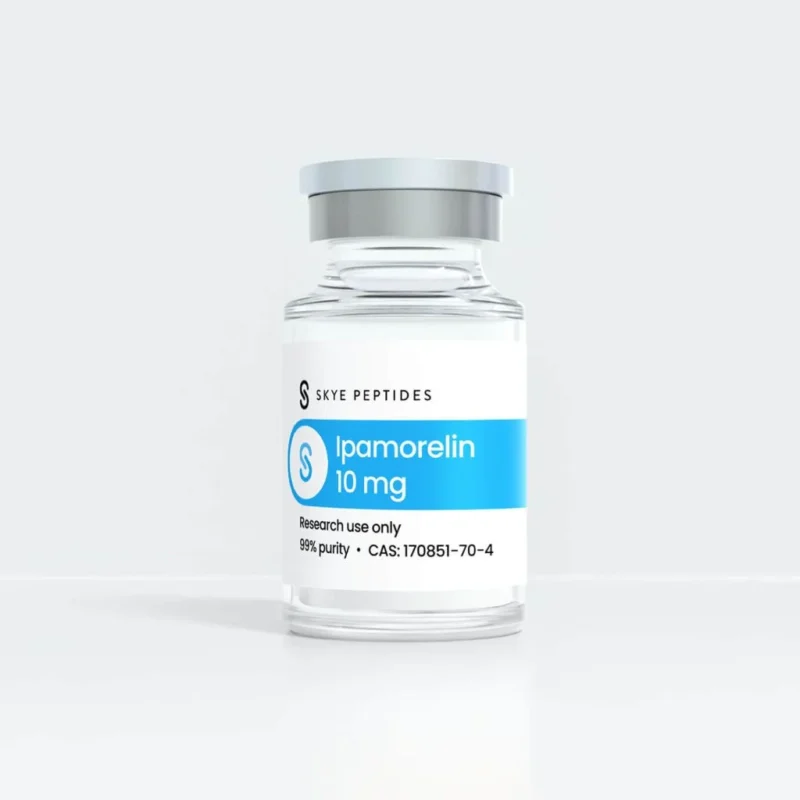
Learn more: Ipamorelin 10mg
What Is Hexarelin?
Hexarelin is another synthetic peptide belonging to the growth hormone secretagogue family. Like Ipamorelin, it interacts with the GHS-R1a receptor, making it a valuable compound for research involving endocrine regulation and peptide pharmacology.
Although both peptides activate the same primary receptor, Hexarelin has a distinct pharmacological profile. Researchers frequently investigate it to better understand receptor activation, intracellular signaling, and hormone regulation under different experimental conditions. Its biological activity has made it a useful model for comparative studies evaluating how structurally different secretagogues influence the growth hormone axis.
Hexarelin has been included in laboratory investigations involving:
- Endocrine signaling
- Receptor pharmacology
- Growth hormone regulation
- Peptide chemistry
- Molecular biology
- Comparative peptide research
Rather than serving as a replacement for Ipamorelin, Hexarelin offers researchers another perspective on GHS-R1a activation. Comparing these two peptides helps scientists examine differences in receptor behavior, signaling dynamics, and pharmacological characteristics.
As peptide science continues to evolve, Hexarelin remains an important research compound for studying endocrine communication and receptor-mediated biological processes.
Learn more: Hexarelin 5mg
Why Compare Ipamorelin and Hexarelin?
At first glance, Ipamorelin and Hexarelin appear very similar because both belong to the same family of growth hormone secretagogues and both interact with GHS-R1a. However, researchers continue to compare them because compounds within the same class can differ in ways that influence experimental design and data interpretation.
Comparative studies help scientists evaluate factors such as:
- Receptor selectivity
- Binding characteristics
- Signaling pathways
- Pharmacological behavior
- Biological responses in laboratory models
Understanding these differences contributes to a broader picture of peptide pharmacology and endocrine regulation. It also highlights why researchers choose one compound over another depending on the specific questions they are investigating.
In the next section, we’ll take a closer look at the biological similarities between Ipamorelin and Hexarelin before exploring the key differences that distinguish these two widely studied research peptides.
Shared Characteristics of Ipamorelin and Hexarelin
Although Ipamorelinand <mark>Hexarelin</mark> are distinct peptides, they share several important characteristics that place them within the same family of growth hormone secretagogues (GHSs). Understanding these similarities provides a useful foundation before examining how the two compounds differ.
Both peptides were developed to investigate the body’s natural mechanisms for regulating growth hormone secretion. Rather than supplying growth hormone directly, they interact with biological pathways that influence endogenous hormone release. This makes them valuable research tools for studying endocrine physiology, receptor pharmacology, and peptide signaling.
Some of the key similarities include:
- Both are synthetic peptide growth hormone secretagogues.
- Both primarily interact with the Growth Hormone Secretagogue Receptor Type 1a (GHS-R1a).
- Both are investigated in laboratory studies involving endocrine signaling and peptide pharmacology.
- Both are commonly used to explore receptor activation, intracellular communication, and hormone regulation.
- Both are supplied exclusively for scientific and laboratory research.
Because they share a common receptor target, Ipamorelin and Hexarelin are often included in comparative studies. Researchers use these studies to evaluate how differences in molecular structure may influence receptor binding, signaling pathways, and pharmacological behavior.
Key Differences Between Ipamorelin and Hexarelin
While Ipamorelin and Hexarelin belong to the same peptide family, they are not interchangeable. Each compound has unique characteristics that make it suitable for different research objectives.
One of the most notable distinctions is receptor selectivity. Ipamorelin is widely recognized for its highly selective interaction with GHS-R1a, making it a useful tool for studies focused specifically on receptor-mediated growth hormone signaling. This selectivity allows researchers to investigate endocrine pathways with a narrower experimental focus.
Hexarelin, on the other hand, has been investigated for a broader pharmacological profile. In addition to its interaction with GHS-R1a, researchers have explored how its biological activity compares with other secretagogues across different experimental models. This makes Hexarelin particularly valuable in comparative pharmacology and receptor biology studies.
Another difference lies in their research applications. Ipamorelin is frequently chosen when the goal is to study selective receptor activation and peptide-receptor interactions. Hexarelin is often included in experiments that compare signaling dynamics, receptor responsiveness, and variations in peptide activity.
Rather than viewing one peptide as superior, researchers generally select the compound that best aligns with the objectives of their study.
Ipamorelin vs. Hexarelin: Comparison Table
| Feature | Ipamorelin | Hexarelin |
| Peptide Class | Growth Hormone Secretagogue | Growth Hormone Secretagogue |
| Primary Biological Target | GHS-R1a Receptor | GHS-R1a Receptor |
| Molecular Type | Synthetic Peptide | Synthetic Peptide |
| Research Focus | Selective receptor activation and endocrine signaling | Comparative receptor biology and peptide pharmacology |
| Common Laboratory Applications | Endocrine physiology, receptor pharmacology, peptide signaling | Endocrine research, receptor studies, comparative peptide biology |
| Research Category | Growth Hormone Secretagogue | Growth Hormone Secretagogue |
Although the table highlights several distinctions, it is important to remember that both peptides continue to be investigated within the broader context of growth hormone research. The choice between them depends on the specific scientific questions being explored rather than on a universal preference for one compound.
Understanding the GHS-R1a Receptor
At the center of both Ipamorelin and Hexarelin research is the Growth Hormone Secretagogue Receptor Type 1a (GHS-R1a).
GHS-R1a is a member of the G protein-coupled receptor (GPCR) family and serves as the primary receptor for the endogenous hormone ghrelin. It is expressed predominantly in the hypothalamus and anterior pituitary, where it contributes to the regulation of growth hormone secretion and endocrine signaling.
When a peptide secretagogue binds to GHS-R1a, it triggers a series of intracellular signaling events. These signaling pathways influence the release of growth hormone and provide researchers with an opportunity to study receptor activation, ligand specificity, and downstream cellular communication.
Although Ipamorelin and Hexarelin both target GHS-R1a, researchers continue to investigate whether differences in receptor binding and activation contribute to variations observed across experimental models. This area of research remains important for advancing our understanding of peptide pharmacology and receptor biology.
For readers who want a broader overview of receptor function, our <mark>Growth Hormone Secretagogues: A Research Overview</mark> article explains the role of GHS-R1a within the endocrine system in greater detail.
Growth Hormone Signaling in Research
Growth hormone secretion is regulated through a coordinated network of hormones, receptors, and feedback mechanisms collectively known as the GH–IGF-1 axis.
The process begins in the hypothalamus, where Growth Hormone-Releasing Hormone (GHRH) stimulates the anterior pituitary to release growth hormone. At the same time, somatostatin acts as an inhibitory signal, helping maintain hormonal balance.
A third regulator, ghrelin, interacts with the GHS-R1a receptor to support the natural regulation of growth hormone secretion. Because Ipamorelin and Hexarelin are designed to activate this receptor in laboratory settings, they have become valuable tools for studying this signaling pathway.
Once growth hormone is released, it stimulates the production of Insulin-Like Growth Factor-1 (IGF-1), primarily in the liver and other tissues. Researchers study this interconnected system to better understand endocrine physiology, receptor communication, and the biological effects of peptide signaling.
Rather than focusing solely on hormone release, modern research often examines how different secretagogues influence receptor activation, signaling efficiency, and interactions within the broader endocrine network. These investigations contribute to a deeper understanding of peptide biology and may inform future scientific discoveries.
Why Do Researchers Compare Ipamorelin and Hexarelin?
As peptide research continues to evolve, comparative studies remain an essential part of understanding how structurally similar compounds behave within complex biological systems. Although Ipamorelin and Hexarelin belong to the same family of growth hormone secretagogues, researchers investigate them for different scientific reasons and within different experimental contexts.
Comparing these peptides allows scientists to examine how variations in molecular structure may influence receptor binding, intracellular signaling, and endocrine regulation. These investigations contribute to a broader understanding of receptor pharmacology and peptide biology rather than establishing one compound as universally preferable.
Research involving Ipamorelin and Hexarelin has helped expand scientific knowledge in areas such as:
- Growth hormone receptor signaling
- G protein-coupled receptor (GPCR) biology
- Endocrine physiology
- Peptide pharmacology
- Cellular communication
- Hormone regulation
- Experimental peptide design
These studies continue to improve our understanding of how growth hormone secretagogues interact with the endocrine system and how receptor-mediated signaling influences biological processes.
Frequently Asked Questions
What is the primary difference between Ipamorelin and Hexarelin?
Both peptides belong to the growth hormone secretagogue family and primarily interact with the GHS-R1a receptor. However, researchers study them for different pharmacological characteristics and receptor interaction profiles. The choice between them depends on the objectives of the research project rather than one peptide being inherently superior.
Do Ipamorelin and Hexarelin target the same receptor?
Yes. Both peptides primarily interact with the Growth Hormone Secretagogue Receptor Type 1a (GHS-R1a), which is also the natural receptor for the hormone ghrelin.
Why are these peptides compared in laboratory research?
Comparative studies help researchers investigate receptor selectivity, signaling pathways, peptide pharmacology, and endocrine regulation. Comparing compounds with similar targets can improve understanding of how subtle structural differences influence biological responses.
Are Ipamorelin and Hexarelin considered growth hormone secretagogues?
Yes. Both are classified as peptide-based growth hormone secretagogues because they are studied for their ability to activate biological pathways involved in endogenous growth hormone release.
What scientific fields study these peptides?
Research involving Ipamorelin and Hexarelin spans several disciplines, including:
- Endocrinology
- Molecular biology
- Peptide chemistry
- Receptor pharmacology
- Cellular signaling
- Biomedical research
Can findings from laboratory studies be applied directly to humans?
Laboratory research provides valuable insights into biological mechanisms, but findings from in vitro and preclinical studies do not automatically translate to human outcomes. Further research and appropriate regulatory evaluation are required before conclusions about clinical use can be drawn.
Key Takeaways
Ipamorelin and Hexarelin are both valuable tools for investigating growth hormone regulation and peptide-receptor interactions. While they share a common receptor target, differences in their molecular characteristics and research profiles make them useful for addressing different scientific questions.
Rather than asking which peptide is “better,” researchers typically consider factors such as receptor biology, study design, experimental goals, and the signaling pathways they wish to investigate. Understanding these distinctions allows for more informed experimental planning and interpretation of research findings.
For readers interested in learning more about the broader scientific context, our Growth Hormone Secretagogues: A Research Overviewarticle provides a detailed introduction to the GH–IGF-1 axis, GHS-R1a receptor biology, and the role of peptide secretagogues in endocrine research.
Continue Your Research
You may also find these educational resources helpful:
Foundational Guide
- <mark>What Are Growth Hormone Secretagogues? A Research Overview</mark>
Related Research Peptides
Exploring these resources can provide additional context about peptide structure, receptor interactions, and ongoing areas of laboratory investigation.
Where Can I Buy Legit Peptides Online USA
If your are looking for where to buy legit peptides online USA and worldwide Buy Peptides Online is here to serve it customers with the best pure research peptides with guarantee delivery worldwide order the cheapest peptides online nw
Conclusion
Ipamorelin and Hexarelin continue to play important roles in peptide and endocrine research because they provide scientists with complementary models for studying growth hormone secretagogue biology. Although both compounds interact with the GHS-R1a receptor, their distinct pharmacological characteristics make them valuable for different types of laboratory investigations.
By examining receptor activation, intracellular signaling, and endocrine regulation, researchers continue to deepen our understanding of peptide pharmacology and the complex mechanisms that govern hormone communication. As scientific knowledge advances, comparative research involving growth hormone secretagogues is likely to remain an important part of endocrine and molecular biology studies.
Research Use Only
The information presented in this article is intended for educational and scientific purposes only. The peptides discussed are supplied exclusively for laboratory research and development. They are not intended for human consumption, therapeutic use, veterinary use, or diagnostic procedures. Researchers should follow all applicable institutional policies and regulatory requirements when handling research materials.
